We independently review everything we recommend. When you buy through our links, we may earn a commission. As an Amazon Associate we earn from qualifying purchases.
Best Marine Bottom Paint: Ablative Antifouling Picks for Every Hull
Compare the best marine bottom paint options: ablative antifouling paints for fiberglass, wood and trailered boats, in water-based and solvent formulas.
Compare the best marine bottom paint options: ablative antifouling paints for fiberglass, wood and trailered boats, in water-based and solvent formulas.
Bottom paint is the one coating on a boat that works while you are not there. Its job is antifouling: stopping barnacles, mussels, algae and slime from colonizing the hull, because a fouled bottom costs speed, burns fuel, and — left long enough — damages the surface underneath. The paint does this by slowly wearing away or leaching biocide at the surface, and how it does it decides everything about how you apply it, how long it lasts and what it can go over.
All three picks in this guide are ablative antifouling bottom paints — the mainstream choice for most recreational boats — in water-based and solvent-based formulas. Ablatives wear down with use, constantly exposing fresh biocide, which means they do not build up into the thick, flaking layers that make old hard paints such miserable stripping jobs. Match the formula to your hull material, your water and your launch pattern, and any of the three will do its season’s work.
How Bottom Paint Works, and How to Choose
Ablative versus hard paint
Ablative paint is designed to wear away. The surface polishes down as water moves past the hull, renewing the antifouling layer as it goes, so protection stays active until the film is nearly gone — and a season’s wear leaves little buildup for the next coat. Hard antifouling paint instead leaches biocide from a durable film that stays put; it suits fast powerboats and racing hulls that get scrubbed, but the empty film keeps accumulating year after year until it must be stripped. For trailered boats, cruisers and most sailboats, ablative is the practical default, and it is the only type in this guide.
Copper, and the aluminum exception
Traditional ablatives carry cuprous oxide as the biocide, and the loading matters: higher copper content generally means stronger protection in warm, high-fouling water. The critical exception is material compatibility. Copper-bearing paint must never go directly on an aluminum hull, pontoon or outdrive — copper and aluminum in seawater set up galvanic corrosion that eats the metal. Aluminum needs a copper-free antifouling or a proper barrier coat system, which is a different shelf from the three paints here; all three picks below are for fiberglass and wood hulls (and steel where the maker states it), so aluminum owners should treat this guide as background, not a shopping list.
Fresh water, salt water, and how the boat lives
Fouling pressure is local. Warm salt water grows barnacles aggressively and rewards higher biocide loading; cold fresh water mostly grows slime and algae, where a modest ablative is plenty. How the boat lives matters just as much: ablatives suit boats that sit in a slip, because the paint only wears when the boat moves — but a boat that sits for months and then makes one long trip uses its paint differently from a weekly sailor. Trailered boats need a paint that survives launching cycles and drying out; some ablatives lose potency after extended air exposure, so check the relaunch window on the label if your boat lives on a trailer between trips.
Preparation decides the result
No bottom paint outperforms its prep. The hull must be clean, de-waxed if new, sanded to the profile the label specifies, and fully dry. Over an existing sound coating, a scuff-sand and a compatibility check may be all that is needed; over unknown or failing paint, the honest answer is stripping back. Two coats on the hull and a third at the waterline and leading edges is the standard working pattern, with drying and launch windows taken from the can, not from optimism. Antifouling paint is a pesticide product: wear the respirator and gloves the label calls for, and follow local rules about in-water scrubbing and yard runoff. Budget the better part of a day for a mid-size boat’s first bottom job — washing, drying, sanding, masking and two coats with their recoat windows do not compress into an afternoon, and rushing the windows is how good paint ends up peeling in sheets by midsummer.
JD Select is the water-based pick: a self-polishing ablative in a low-odor, water-cleanup formula that suits home driveways and VOC-restricted yards where solvent paint is unwelcome. It is made for fiberglass and wood hulls in fresh and salt water, and the water-based chemistry makes the application day noticeably more civilized — brushes and rollers rinse out with water, and the smell that empties a boathouse never arrives.
As a single-season ablative it fits the rhythm of most recreational owners: haul, prep, paint, launch, and repeat next year, with the film wearing down rather than building up between cycles. Trailered-boat owners rate it for exactly that routine. If your water is warm and fouling is severe, read the copper content against the heavier-duty option below before deciding.
Underdog is the solvent-based workhorse of the pair: a cuprous-oxide ablative that wears at a controlled rate to keep algae, weed, slime and barnacles off fiberglass and wood hulls. It is the pick in this guide most often aimed at trailered boats, with an abrasion-resistant film that tolerates beaching and repeated launching better than softer ablatives.
The solvent formula asks more of the painter — ventilation, solvent cleanup, and attention to the label’s recoat and launch windows — and returns a harder-wearing film for it. For a boat that lives on a trailer and launches into mixed fresh and brackish water all season, Underdog is the straightforward recommendation.
Hydrocoat is the long-established water-based ablative from Pettit: a copolymer formula that wears away with use, applies over most existing bottom paints after proper prep, and cleans up with soap and water. The quart size listed here (model 1840Q, black) suits smaller boats, touch-ups and owners painting a trailered hull without committing to a gallon.
Its reputation rests on being easy to live with: no harsh solvent odor, no sanding needed between coats within the label’s windows, and multi-season potential in milder waters when applied at full film thickness. Freshwater and cool-saltwater owners in particular get long service from it. As with every paint here, the label’s compatibility chart rules — Hydrocoat goes over most sound coatings, but a failing or unknown bottom still needs to come back to a sound surface first.
Applying Bottom Paint: A Working Sequence
Start when the boat comes out, not the week before launch. Wash the hull down, and if the season’s growth was heavy, scrape and sand while the fouling is still soft from the water. Once the hull is dry, inspect the old coating: sound, well-adhered ablative can stay; anything blistered, cracked or lifting has to come off, because new paint inherits the failures of what is under it.
Mask the waterline with care — a crisp boot-top line is the visible difference between a yard job and a driveway job — and stir the paint thoroughly and often, because the heavy biocide solids settle to the bottom of the can and a poorly stirred coat is a weak coat. Apply with a roller suited to the formula (solvent-resistant for solvent paints), keep a wet edge, and respect the recoat windows on the label: too soon traps solvent, too late can compromise adhesion on some formulas.
Build the film the guide above describes — two full coats, a third stripe at the waterline and on leading edges — and let the final coat cure for the launch window the label specifies. Some ablatives must launch within a set period or be scuffed before immersion; others tolerate a long wait. Write the paint name, color and date on a note kept with the boat’s papers. Next spring, that single line of information is what makes the compatibility question answerable in seconds instead of guesses.
Choosing Between the Three
Pick the JD Select if you want water-based convenience with a self-polishing film and you paint on a single-season rhythm in mild to moderate fouling. Pick the Underdog if your boat is trailered, beached or launched constantly and you want the tougher, solvent-based film with strong copper protection for mixed waters. Pick the Hydrocoat if you value the easiest application and cleanup of the three, are painting a smaller boat or working by the quart, and boat in fresh or cool salt water where its service record is longest. All three assume a fiberglass or wood hull; aluminum owners need the copper-free shelf instead, and every owner needs the label’s compatibility chart checked against what is already on the hull.
Frequently Asked Questions
How many coats of bottom paint do I need?
Two full coats, plus an extra stripe coat at the waterline, bow and rudder where wear and growth concentrate. Film thickness is protection: a single thin coat wears through early and fouls before the season ends.
Can I paint over last year’s bottom paint?
Usually, if it is the same type, sound and clean — ablative over ablative after a wash and scuff is the standard spring routine. Paint that is flaking, blistered or of unknown type must be removed; new paint over failing paint fails with it.
How long does ablative paint last?
A single-season ablative at proper thickness protects for that season in typical use. Multi-season service is possible in cool, low-fouling water with heavier application. Time out of the water and how much the boat moves both count.
Does my trailered boat need bottom paint at all?
A boat that launches for the day and sleeps on its trailer grows nothing. A boat that sits in the water for weeks at a time — at a dock, mooring or marina between trips — fouls like any slipped boat and needs antifouling protection.
Can bottom paint go on an aluminum hull or pontoon?
Not the copper-bearing paints in this guide. Copper against aluminum in the water creates galvanic corrosion that attacks the metal itself. Aluminum hulls, pontoons and outdrives need a copper-free antifouling, or a manufacturer-approved barrier coat beneath a compatible paint. Check the label’s substrate list before buying, every time — this is the one compatibility mistake that damages the boat instead of just wasting the paint.
Disclosure: As an Amazon Associate, this site may earn from qualifying purchases made through links in this article, at no additional cost to you.
W
Wildshot Editorial Team
We compare specs, materials and verified owner reviews before a product earns a spot. Rankings are never paid.
Affiliate disclosure. As an Amazon Associate we earn from qualifying purchases at no extra cost to you. Prices accurate as of the date shown.
Looking for the best vegan mattresses? Compare four Amazon-listed, wool-free mattresses by materials, firmness, thickness, trial, and warranty before you buy.
Find the best lightweight soft and absorbent bath towels for daily showers. Compare plush Turkish cotton sets that dry fast and stay soft wash after wash.
Searching for the best inexpensive garbage disposals? Compare five budget continuous-feed models on power, size, mounting, noise, and warranty before you buy.
Searching for the best blankets for Florida? Compare lightweight, breathable bamboo, cotton, and cooling blankets made for warm, humid nights all year round.
Four thorn proof gardening gloves compared on hide, gauntlet length and palm reinforcement, for pruning roses, clearing blackberries and handling cactus.
Find the best window fans for homes with reversible airflow, thermostats, and quiet twin-blade designs that cool bedrooms and living rooms well every day.
Discover the best floor keyboard rugs for classrooms, playrooms, and home offices, with expert tips on size, material, durability, and keyboard designs.
Discover the best butts humping pillows for laughs and cozy lounging, with soft novelty designs, sizes, covers, and tips for choosing a fun gag gift today.

 TotalBoat JD Select Ablative Bottom Paint (ASIN: B00HQJZ4XQ)
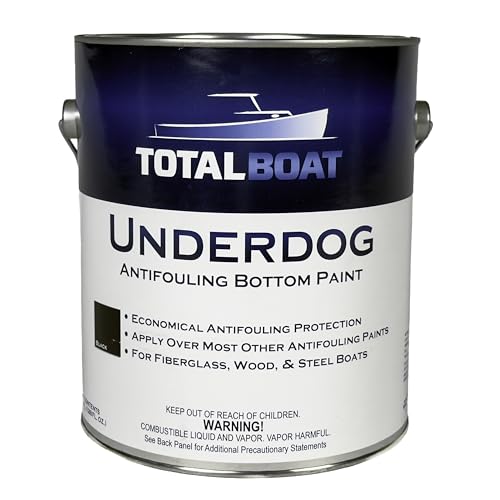 TotalBoat Underdog Ablative Bottom Paint (ASIN: B017Y4V9D6)
 Pettit Hydrocoat Water-Based Ablative, Quart (ASIN: B0000AZ7JJ)