Key takeaways
- The best 42 inch zero turn mowers for your yard: how to match deck width, engine power and gas or battery drive to lawns, gates and slopes in November 2026.
As an Amazon Associate we earn from qualifying purchases.
A 42-inch zero-turn mower is the size most suburban homeowners actually need, and that is exactly what makes choosing one tricky. The deck is wide enough to cut a half-acre to two-acre lawn in far fewer passes than a walk-behind, yet narrow enough to fit through a standard side gate and into a typical garden shed. At the same time, the zero-turn steering that saves time around trees and beds demands a different driving style, and the choice between gas and battery power changes maintenance, noise and run time. Picking well means matching the machine to the yard, not to the specification sheet.
This guide is written for homeowners with half an acre to two acres, for buyers replacing a lawn tractor, and for anyone weighing a first battery mower against a familiar gas engine. The models named here were compared using names and specifications from their Amazon product pages and manufacturer listings, so the advice follows real machines rather than generic claims.
How to Choose
Measure Your Gate, Shed and Lawn First
Start with a tape measure, not a brochure. A 42-inch deck usually measures a few inches wider than its cutting width once you count the discharge chute and deck edges, so a gate that looks wide enough on paper can still block the mower. Measure the narrowest point on the route from the driveway to the back lawn, then measure the shed door and the parking space inside. While you are at it, pace out the lawn itself: a level half-acre with a few trees rewards agility, while two open acres reward straight-line speed and a larger fuel tank or battery. Knowing these numbers first narrows the field before you compare engines.
Match Engine Power to Grass and Slopes
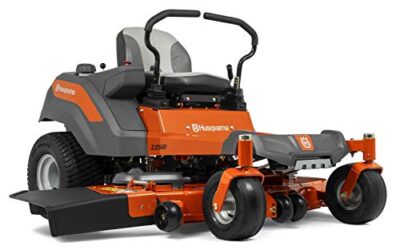
Engine size matters most when the grass is thick, wet or tall, and when the lawn tilts. A single-cylinder engine can handle a flat, mown half-acre, but it labors when the grass grows fast. A V-twin engine, such as the 21.5 HP Kawasaki in the Husqvarna Z242F or the 22 HP Kohler in the Troy-Bilt Mustang Z42, holds blade speed better under load and recovers faster after each turn. Check the slope guidance in the manual too: zero-turn mowers steer with the rear wheels, so steep side slopes need care, and a machine with a low center of gravity and wide rear tires stays planted better than a tall, narrow one.
Choose Between Gas and Battery Power
Gas and battery zero-turn mowers suit different owners rather than different lawn sizes. A gas mower refuels in minutes, runs as long as the tank lasts, and suits large or hilly lawns where stopping to recharge would break the rhythm of the job. A battery mower, such as the Ryobi RY48ZTR100 with its 100 Ah battery pack and four brushless motors, starts quietly, needs no oil or fuel storage, and covers up to three acres per charge according to its listing. Battery machines cost more up front and need a charging routine, while gas machines need oil changes, air filters and winter fuel care. Choose the power source that fits your storage, your tolerance for maintenance and how you mow.
Deck Build, Comfort and Service Access
The cutting deck takes the hardest punishment, so its build deserves attention. A fabricated deck made from welded steel resists dents and rust better than a stamped deck pressed from a single sheet, and it usually carries a longer deck warranty. Look at the seat and controls next: a high-back seat with armrests and a foot-operated deck lift make a two-hour mow far less tiring, especially for taller drivers. Finally, check who services the brand near you. A mower bought online still needs blades, belts and occasional repairs, and a local repair shop or a mobile service that stocks parts for your brand will matter more than a small difference in engine size when something breaks mid-season.
Which One Fits Your Situation
The right zero-turn depends on the shape of your yard and how you mow it, so match the situations below to your own lawn before you decide. A flat half-acre with trees asks for different strengths than a hilly two acres, and the deck, engine and drive that suit one can be the wrong fit for the other.
Half an Acre with Trees and Flower Beds
Pick a compact 42-inch gas zero-turn with a responsive hydrostatic transmission, such as the Cub Cadet Ultima ZT1 42, and let the deck size do the work around obstacles. The short wheelbase turns tightly between trunks and beds, and the fabricated deck shrugs off the odd root or edging stone. Keep the blades sharp and mow at a higher cut height in summer so the lawn keeps its color between cuts.
One to Two Acres of Open Lawn
Choose a V-twin gas model with a larger fuel tank, such as the Husqvarna Z242F with its 21.5 HP Kawasaki engine, so blade speed stays steady across long straight runs. A 42-inch deck still fits the gate, while the stronger engine clears thick spring growth without a second pass. Add a tow hitch if you need to pull a lawn sweeper or aerator, and keep spare blades ready for the heavy season.
You Want to Skip Gas and Oil
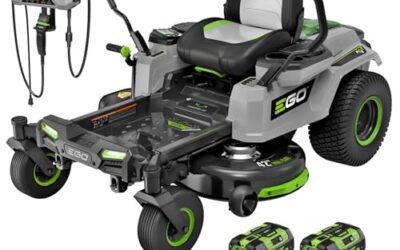
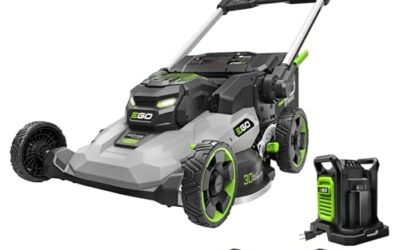
Go battery with the Ryobi RY48ZTR100 or the EGO ZT4205S and enjoy push-button starts, quiet mowing and no fuel cans in the garage. Battery machines suit owners who mow on a regular schedule and can charge between sessions. Check the rated acres per charge against your real lawn size, remember that thick or wet grass drains the battery faster, and keep the charging area dry and ventilated.
Tight Storage and a Narrow Side Gate
Measure first, then choose the narrowest 42-inch model you can find and confirm the width with the discharge chute fitted, since that is the part that catches gate posts. Fold the chute up for storage if the design allows it, and check the mower’s overall length against the shed before delivery day. A lap-bar zero-turn with a compact frame parks in a smaller footprint than a steering-wheel model, which helps when the shed already holds bikes and tools.
Delivery, Assembly and First Mow Checklist
Most 42-inch zero-turn mowers arrive by freight delivery, so plan for the arrival before the truck does. Measure the delivery route from the curb to the shed, confirm whether the driver will place the mower inside the garage or leave it at the curb, and have a second person ready: these machines weigh several hundred pounds and are awkward to move by hand. Inspect the crate or pallet before signing, and photograph any bent deck edges, cracked plastic or leaking fluid so the seller can act quickly.
Assembly is usually limited to fitting the steering levers, seat and battery leads, but do not rush it. Tighten the fasteners to the manual’s figures, check the tire pressures on both sides, and confirm the deck sits level before the first cut. On a gas mower, add the correct oil and fresh fuel, then check for leaks around the filter and fuel lines. On a battery mower, give the pack a full charge first and learn the dashboard warnings before you drive off.
Walk the lawn before the first mow. Pick up sticks, stones, hoses and children’s toys, mark any low stumps or irrigation heads, and plan the route so you never turn on a slope. Keep children and pets indoors while the blades run, wear eye and hearing protection, and shut the engine off before clearing a clogged chute. A careful first session teaches you the controls at low speed and sets up every mow that follows.
Set a simple maintenance routine once the mower is home. Sharpen or replace the blades at the start of the season and again if the cut starts tearing grass tips instead of slicing them. Grease the deck spindles and wheel bearings where the manual calls for it, check the belt tension each spring, and keep the deck underside clean so wet clippings do not bake into a rust trap. On a gas mower, change the oil and air filter on the manual’s schedule; on a battery mower, keep the terminals clean and the pack charged. A machine that gets this attention lasts longer and cuts better.
Common Mistakes
- Skipping the tape measure: a 42-inch cutting width is not the same as the mower’s overall width, and the discharge chute adds several inches. Measure the gate, the shed door and the parking space before ordering, or the first delivery may end with a mower that cannot reach the back lawn at all.
- Choosing the smallest engine to save money: a single-cylinder engine can struggle in thick spring grass and on slopes, leaving an uneven cut and a second pass over the same ground. Match engine power to the thickest grass and the steepest part of the lawn, not to the easiest week of the year.
- Ignoring the slope limits in the manual: zero-turn mowers can lose traction on side slopes, and turning on a slope is the fastest way to lose control. Mow up and down gentle slopes where the manual allows it, and use a walk-behind mower for ground the zero-turn cannot handle safely.
- Storing fuel badly over winter: stale fuel gums up carburetors and makes spring starts unreliable. Run the tank down before storage or use a stabilizer, change the oil before the long rest, and keep fuel in an approved container away from ignition sources.
- Forgetting the battery routine: a battery mower left flat for months can lose capacity, and a charger left in a damp shed can fail. Charge the pack before long storage, store it in a dry place, and check the charge every few weeks through winter so spring starts cleanly.
Frequently Asked Questions
Is a 42-inch zero-turn mower big enough for two acres?
Yes, for most level two-acre lawns a 42-inch zero-turn is a good fit, cutting mowing time well below a lawn tractor or walk-behind. The deck covers a wide path on each pass while still fitting standard gates. If the lawn is hilly or the grass grows very thick, choose a V-twin engine so blade speed stays steady across the full two acres.
Can a 42-inch zero-turn mower fit through a standard gate?
Usually yes, but measure before buying. A standard side gate is often 36 to 48 inches wide, and a 42-inch mower with its discharge chute fitted can measure several inches wider than the deck. Check the mower’s overall width in the specifications, measure the narrowest point of the gate, and fold or remove the chute if the design allows it.
Gas or battery: which 42-inch zero-turn is better?
Gas suits large or hilly lawns and owners who want to refuel in minutes and mow without watching a battery gauge. Battery suits regular mowing on level ground, quiet neighborhoods and owners who want to skip oil changes and fuel storage. Compare the rated acres per charge with your real lawn size, and remember thick or wet grass shortens battery run time.
How steep a slope can a zero-turn mower handle?
That depends on the model, so follow the slope limit printed in the owner’s manual rather than a general rule. Most residential zero-turn mowers are rated for gentle slopes only, and they steer with the rear wheels, which makes sideways turns on a slope risky. Mow straight up and down where allowed, slow down before turning, and keep a walk-behind mower for steep banks.